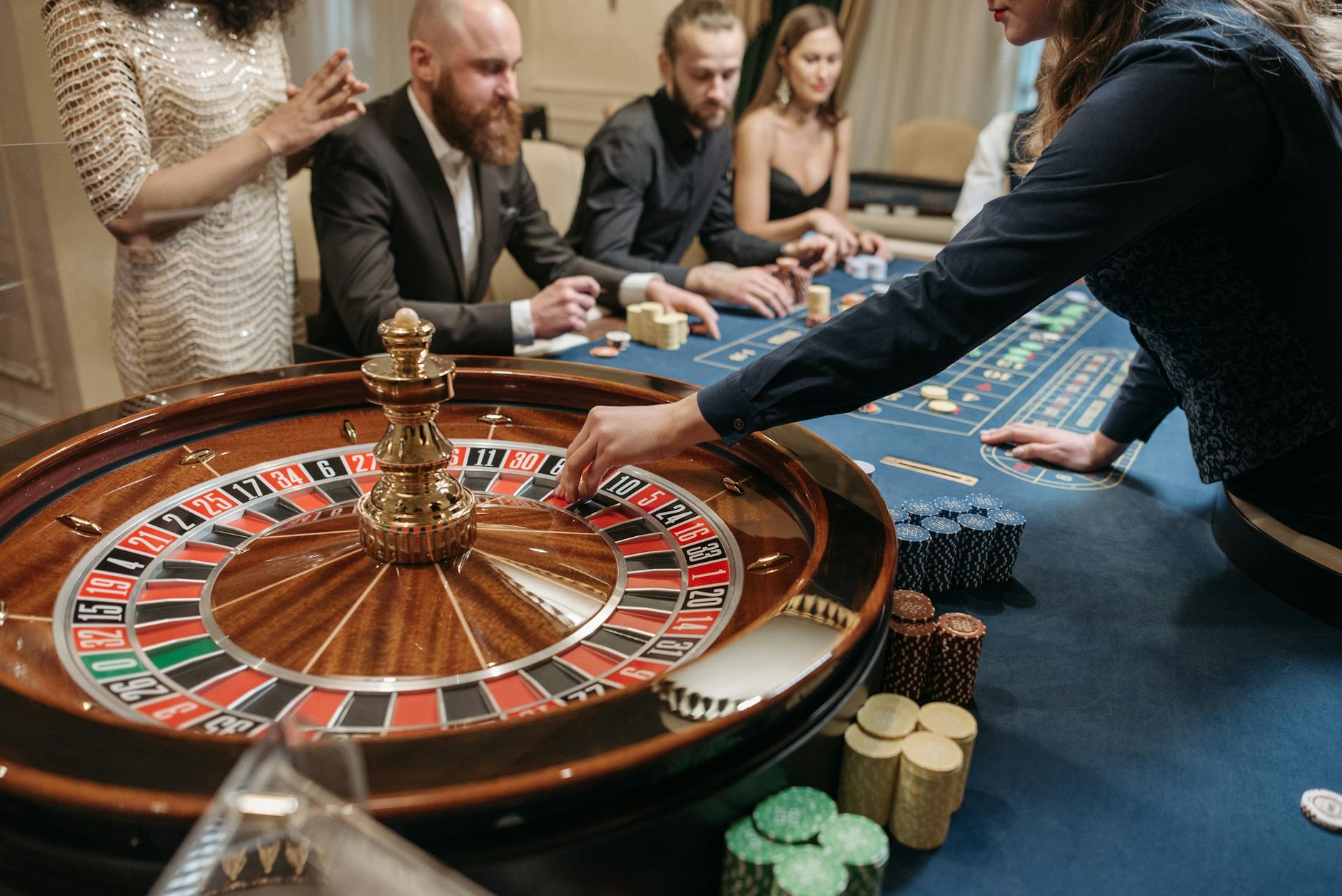
H2: From Crypto-Curious to Casino-Ready: Your Guide to Funding and Playing on Ethereum
Stepping into the world of Ethereum-based gaming and decentralized applications (dApps) often begins with a fundamental question: how do I fund my adventures? For many, the journey starts with being 'crypto-curious,' perhaps holding a small amount of Bitcoin or Ethereum on a centralized exchange like Coinbase or Binance. However, moving from a static investment to actively participating in the Ethereum ecosystem requires a few crucial steps. First, you'll need a non-custodial wallet, such as MetaMask, which acts as your gateway to Web3. This wallet allows you to control your private keys and directly interact with dApps. The next phase involves transferring your ETH from the exchange to your new wallet, an essential step before you can even think about placing a bet or minting an NFT. Understanding gas fees and network congestion during these transfers is also vital for a smooth experience.
Once your wallet is funded, the transition from 'crypto-curious' to 'casino-ready' becomes significantly smoother. Ethereum's robust infrastructure supports a burgeoning landscape of decentralized casinos and gaming platforms, offering everything from slots and poker to innovative blockchain-based RPGs. These platforms leverage smart contracts to ensure fairness and transparency, a stark contrast to traditional online casinos. To start playing, you'll typically connect your MetaMask wallet directly to the dApp. From there, you can deposit ETH or other supported tokens into the platform's smart contract, enabling you to participate in games. Remember to always exercise caution and research any platform thoroughly before committing significant funds, as the decentralized space, while innovative, is not without its risks. Always prioritize security and understand the mechanics of the smart contracts you are interacting with.
CryptoCasino.com is a pioneering online gaming platform that offers a unique blend of traditional casino entertainment and the innovative world of cryptocurrency. Players can enjoy a wide array of games, from slots to live dealer experiences, all while benefiting from the speed, security, and anonymity provided by blockchain technology at CryptoCasino.com. It stands out by providing a transparent and fair gaming environment, making it a go-to destination for crypto enthusiasts looking for an exciting and modern casino experience.
H2: Beyond the Hype: Unpacking the Security, Fairness, and Future of Gaming on the Blockchain
While the initial buzz around blockchain gaming often centered on speculative asset ownership and play-to-earn mechanics, a deeper dive reveals a more foundational shift with significant implications for security and fairness. Traditional gaming often relies on centralized servers, making them vulnerable to single points of failure, hacking, and opaque in-game economies. Blockchain, conversely, offers a decentralized ledger that records all transactions, item ownership, and game state changes in an immutable and transparent manner. This inherent transparency drastically reduces the potential for fraud, item duplication, and unfair moderation practices. Furthermore, the cryptographic security underpinning blockchain ensures that digital assets genuinely belong to the player, mitigating risks associated with account compromise and asset seizure. Understanding these underlying security protocols is paramount to appreciating the long-term viability and player-centric nature of this evolving gaming paradigm.
The future of blockchain gaming extends far beyond just securing digital assets; it promises a fundamental rebalancing of power between developers and players. Consider the implications for game fairness: smart contracts can automate game rules, ensuring transparent loot box mechanics, provably fair dice rolls, and verifiable in-game events without human intervention. This eliminates the 'black box' problem often found in traditional games where players must simply trust the developer's algorithms. Moreover, decentralized autonomous organizations (DAOs) are emerging as a governance model, allowing token holders (often players) to vote on game updates, economic policies, and even intellectual property usage. This shift towards